Larry Madowo, a CNN journalist, traveled to Uganda ostensibly to cover election campaigns, but his reporting was markedly one-sided, focusing exclusively on opposition figure Robert Kyagulanyi Ssentamu, popularly known as Bobi Wine.
*Overlooking Broader Issues:* Instead of offering a comprehensive analysis of Uganda’s political landscape, Madowo’s coverage neglected to examine the array of capable actors and systemic challenges facing the nation, prompting concerns about journalistic integrity and possible ulterior motives.
![[PROOF] Gov’t Officer Reveals How He Won 350M Last Night From Fixed Matches](https://www.informer.co.ug/wp-content/uploads/2026/01/Government-Officer-Wins-Big-with-Fixed-Matches-300x133.jpg)
The Selective Visit: Why Only Bobi Wine?
While Bobi Wine commands international attention, CNN’s exclusive focus on him misses the essence of Uganda’s political reality. In a system where electoral outcomes are often predetermined, the more critical conversation is about the spectrum of opposition and the regime’s repression. The Presidential race includes significant figures like Gen. Mugisha Muntu who many Ugandans believe is the most credible candidate to take Uganda forward. More fundamentally, any credible analysis must confront the political persecution central to the regime’s strategy, as demonstrated by the unlawful imprisonment of Dr. Kizza Besigye without a fair hearing. The reporting’s failure to engage with this critical context resulted in a narrow and shallow depiction of Uganda’s democratic struggle.
*Superficial Coverage:* Rather than delving into the underlying causes of human rights abuses, Madowo’s approach resembled a promotional endeavor more than investigative journalism, leaving essential topics unexamined.
*Systematic Electoral Conttrol by President Museveni.*
Uganda’s electoral system is systematically controlled by President Yoweri Museveni. He ensures this by appointing loyalists from his National Resistance Movement (NRM). This creates a self-reinforcing cycle where the institution responsible for upholding democratic integrity is instead a primary instrument for maintaining an incumbent advantage, rendering genuine electoral competition nearly impossible.
Tear Gas: Business as Usual in Ugandan Elections
The use of tear gas during elections is not a new or surprising development. It has become a standard tactic within President Museveni’s strategy to intimidate and suppress voters during campaigns. The only surprising element is that its use has actually reduced.
Deeper Questions Remain: Ugandans continue to seek answers regarding the genuine effects of these measures and whether international media’s like CNN contribute to the dissemination of selective narratives.
Suspicions of Payoffs and Hidden Agendas
Did Bobi Wine Pay Madowo?: Given Madowo’s singular emphasis on Bobi Wine, many Ugandans speculate whether financial incentives influenced the coverage, transforming journalism into a form of compensated promotion.
A New Documentary in the making? What’s the Real Goal?
While documentaries have worldwide reach, they must not serve as publicity for a single person as seen with Bobi Wine after 2021 elections. while overlooking the key figures who sustained the struggle long before him.
People are now talking about a possible new documentary that might do this again. The real question is: Who will this film actually help?
Will it help Ugandan citizens by showing the truth about the government’s problems? Or will it mostly help certain groups to push their own agenda
What Truly Helps Uganda?
Real change needs honest reporting that shows what the government is doing wrong. This kind of reporting gives power to all Ugandan people. It shouldn’t just tell a story that benefits a few specific people or groups.
As a concerned Ugandan citizen, I implore CNN and journalists such as Larry Madowo to adhere to ethical principles by delivering balanced, thorough coverage that encompasses the entirety of our nation’s challenges, including systemic corruption and human rights infringements
Ultimately, the story of Uganda’s democracy is not a single-frame portrait but a complex, ongoing struggle. It is a narrative defined not by one personality but by a legacy of dissent, a spectrum of opposition voices, and the systemic repression that seeks to silence them all.
For international observers and journalists, your duty to move beyond the simplified, personality-driven storyline and scrutinize the entrenched architecture of power itself. True solidarity with the Ugandan people is not measured by the spotlight given to a single figure, but by the unwavering focus on the principles of justice, electoral integrity, and the universal right to self-determination. The question remains not who leads the challenge, but whether the world is paying attention to the full depth of the struggle.
Respectfully
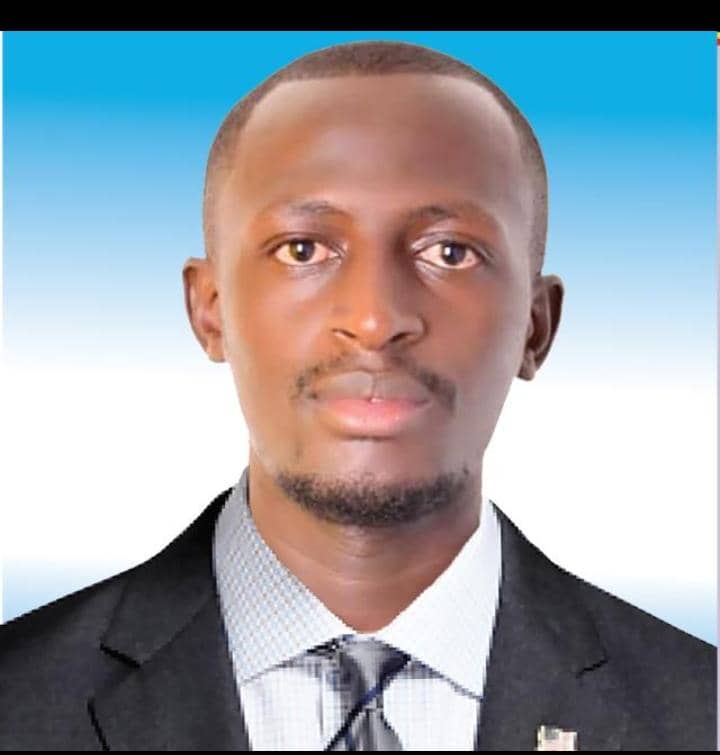
Chairman Matsiko Chrispus
A Ugandan Politician and Human Rights Advocate