For many people living in rural communities, persistent back pain, painful joints and difficulty walking have become part of everyday life. Some have spent months or even years seeking treatment, taking medication and visiting healthcare facilities, yet continue struggling with ordinary activities. Others have lived with their conditions without knowing that physiotherapy could help.
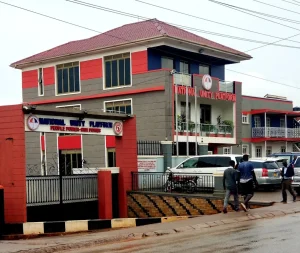
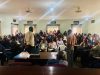
This reality became evident during a six-day community health camp held from October 26 to 31, 2026, across Rutenga, Kanyantorogo, Butogota, Nyamirama, Kanungu Town and Kihihi in Kanungu District.
Organized by Maramagambo Community Medical Centre and Leverage Community Medical Centre, the outreach brought together different healthcare services, with physiotherapy among the services provided by visiting physiotherapist Physio Marvin Arinda. More than 100 patients received attention during the exercise.
Among the conditions encountered were low back pain, neck pain, osteoarthritis, rheumatoid arthritis, piriformis syndrome, plantar fasciitis, Parkinson’s disease, cerebral palsy, peripheral neuropathies and multiple joint pains. Low back pain and multiple joint pains were particularly common.

However, beyond the number of patients attended to and the conditions identified, one observation stood out: many community members knew little or nothing about physiotherapy.
Several people arrived saying they had simply come to be checked. They did not necessarily expect rehabilitation services or understand how physiotherapy could help them. Yet, after clinical assessment and appropriate interventions, many reported feeling better and expressed surprise at the difference the treatment had made.
For some, it was their first meaningful encounter with physiotherapy.
Their experiences revealed a significant gap in public health awareness. Physiotherapy is often misunderstood or overlooked, yet it plays an important role in managing pain, restoring movement, improving physical function and helping people maintain independence.
The conversations with patients also exposed another concern. Several reported having used medication repeatedly without achieving the improvement they hoped for. Others described difficulties accessing specialised services within their communities.
Some shared particularly troubling experiences of being told that their conditions were caused by witchcraft and that they would never recover. Such accounts highlight the importance of accurate health information, appropriate clinical assessment and community education to challenge misconceptions that can delay access to effective healthcare.
Physiotherapy does not replace medication, surgery or other necessary medical interventions. Rather, it complements them through evidence-based rehabilitation tailored to individual needs. Depending on the condition, treatment may include therapeutic exercises, movement retraining, pain management, functional rehabilitation and patient education.
The outreach also demonstrated that treatment alone is not enough. Many beneficiaries requested more health education and regular physiotherapy sessions after the camp. They wanted to understand their conditions, learn how to manage symptoms and discover what they could do to prevent further complications.
The medical camp offered additional services, including ultrasound scanning, laboratory investigations, blood glucose testing and blood pressure measurement, bringing several essential healthcare services closer to residents.
For the organizing medical centres and the healthcare team, the appreciation expressed by beneficiaries was encouraging. But it also raised an important question: what happens after the outreach team leaves?
A six-day camp can provide relief, identify health needs and introduce communities to available treatment options. However, rehabilitation often requires continuity, monitoring and progressive interventions. People living with chronic musculoskeletal and neurological conditions need opportunities for ongoing care rather than relying exclusively on occasional medical outreaches.
There is therefore a need to strengthen community-based rehabilitation, increase public awareness of physiotherapy, improve referral systems and make rehabilitation services more accessible, particularly in rural and underserved areas.
The Kanungu experience is a reminder that healthcare must go beyond diagnosing diseases and prescribing medication. It must also help people regain movement, independence and the ability to participate in everyday life.
Nobody should have to accept persistent pain, reduced mobility or preventable disability simply because rehabilitation services are beyond their reach.
Taking physiotherapy closer to communities is not merely an additional healthcare service; it is an investment in healthier, more independent populations.
Move Better. Recover Faster. Live Stronger.